

How to Grow Comfrey From Seed for Mulch, Compost, and Fertilizer
Comfrey is a hardy perennial herb valued for both its traditional medicinal uses and its role in organic and permaculture gardens.
This fast-growing plant produces abundant leafy growth that can be used as nutrient-rich mulch, added to compost piles, or brewed into homemade comfrey tea fertilizer. Its deep roots help pull nutrients from the soil, making comfrey a favorite plant for gardeners focused on building healthy soil naturally.
Learn how to grow comfrey from seed and manage this vigorous perennial in your garden.

Table of Contents
Why Grow Comfrey?
We get lots of questions about how to grow comfrey from seed. The questions range from where to plant it to whether or not it’s the right plant for their garden.
There are several reasons why comfrey continues to be a popular plant for gardeners in many different growing climates.
Comfrey for Compost
Comfrey is a very hardy and quick-growing plant. It can shoot up big leaves in just a few weeks. This rapid growth allows comfrey to produce a lot of biomass, and green biomass is ideal for composting. The impressive amount it can grow is what makes comfrey more valuable than other plants. It can be harvested many times a year and added to your compost bin, and it will grow back quickly.
Comfrey for Mulch
Deep roots mean comfrey can take up nutrients that aren’t available to shallower plants. Comfrey decomposes quickly, so it can be used as a chop-and-drop mulch in your garden. Chopping and dropping the plant around other flowers and vegetable crops can help feed the soil for plants with shallower roots. Using comfrey as a green mulch means it will feed the plants while supplying extra nutrients and conserving water.
Comfrey as a Natural Fertilizer
Comfrey is high in potassium and makes an excellent natural fertilizer. Along with the potassium, it will add nitrogen, calcium, iron, magnesium, and other minerals to enrich your soil. The fertilizing benefits of comfrey can be accessed by using it as a mulch, in compost, and as a tea to water plants.
Comfrey for Pollinators
Comfrey has clusters of bell-shaped flowers that are rich in nectar and attract a variety of pollinators. We’ve watched the bumble bees visit the flowers from late spring through summer. Honey bees, native bees, butterflies, and other beneficial insects are also known to feed on the nectar and pollen.
Because comfrey begins flowering relatively early and can continue blooming for an extended period, it provides a reliable food source. The flowers' tubular shape makes them particularly appealing to long-tongued pollinators, which can easily reach the nectar hidden inside.
Allowing some plants to flower before harvesting leaves can help support local pollinator populations while still providing plenty of foliage for compost, mulch, and fertilizer tea. In our garden, comfrey is one of the most consistently visited plants by bumble bees each year.

How to Grow Comfrey from Seed
Direct sow comfrey seeds in early spring or fall. You can also start seeds indoors, and transplant after all danger of frost has passed. Plant comfrey in well-draining soil and a sunny to partly shaded location. Comfrey can spread, so it's best to keep it contained in a designated area.
Types of Comfrey
We carry common comfrey seeds (Symphytum officinale), also known as Blackwort, Boneset, Healing Herb. This is considered “true comfrey”. This heirloom variety will produce viable seeds for continued planting and growing. Please note that there are sterile varieties of comfrey, such as Bocking 14. The sterile varieties cannot be grown from seed.
Comfrey is a hardy perennial herb with large, hairy leaves and small, bell-shaped purple flowers. Known for its medicinal uses, Comfrey is also a great addition to the garden as a soil conditioner and pollinator attractor.
Tips for fail-proof comfrey seed germination
- Prep Seeds: Use cold stratification, winter sowing, or fall planting to help break down the seed coat and increase germination.
Planting depth: 1/4"
Soil Temperature: 60-70°F. This warmer temperature after cold stratification signals to the seed that it’s time to grow.
Moist Soil: Keep the soil moist. Use a humidity dome so that seeds and soil don’t dry out.
Days to germination: 14-21 (without cold stratification, this can be longer)
Cold Stratifying Comfrey Seeds
Not only is comfrey a hardy plant, but its seeds are adaptable, too. Comfrey seeds have a hard shell and take some extra time to germinate. Like white sage seeds, comfrey seeds can lie dormant for a long time. Cold stratification helps break down the seed coat and improve germination rates.
To cold stratify comfrey seeds, place them on a moist paper towel. Place the paper towel in a plastic bag and refrigerate it for 4 to 6 weeks. You can see our complete guide to cold stratification.
Plant comfrey seeds in the fall to let them overwinter and undergo natural cold stratification.
While cold stratification will improve germination rates, we’ve planted our comfrey seeds without cold stratifying. Like lavender seeds, you may see more uneven germination rates without cold stratification or natural overwintering.
Indoor Starting vs Direct Sowing
Indoor sowing gives you more control over temperature and moisture. When starting seeds indoors, keep the soil moist and warm (60-70ºF).
Seeds started indoors will need to be transplanted outdoors as temperatures rise in the spring. Remember to harden off seedlings before planting outdoors.

Where to Plant Comfrey
Choose your planting location carefully before sowing comfrey seeds. While comfrey offers many benefits for the garden, it is a vigorous perennial that develops a deep, extensive root system. You want to grow it in a location where it won’t be competing with your other plants.
For this reason, comfrey is best planted in a permanent location where it can grow undisturbed for many years. We like to grow it in our perennial bed that is close to the vegetable garden. Comfrey creates a natural border between the meadow and the garden.
Another common location for growing comfrey is around orchards. If it is far enough away from tree roots, comfrey can suppress weeds while being near enough to use as a chop-and-drop mulch for trees. Mowing it before it flowers will prevent it from self-seeding.
If you're concerned about comfrey spreading, consider growing it in a large container or raised bed where its growth can be more easily managed. It's also a good idea to avoid planting near property lines, as self-sown seedlings or expanding roots may eventually spread into neighboring spaces.
Taking time to choose the right location from the start will help you enjoy all the benefits of comfrey without future maintenance headaches.

How to Care for Comfrey Plants
Once comfrey plants are growing, they are very low-maintenance. Young plants will need consistent water, but mature plants are more drought-tolerant. Comfrey leaves die back beginning with the first fall frost, but the crowns will send out new shoots in the spring. It will start flowering in late spring and early summer, continuing to blossom until frost.
Sun
Grow comfrey in full sun to partial shade. You’ll notice that plants in full sun will be bigger and have more blooms.
Soil
Comfrey prefers fertile soil, but it can grow in a variety of soils with a wide pH range. The main thing is to avoid soils where the roots will be too waterlogged.
Water
Young comfrey plants will need to be watered often enough to keep the soil moist but not overly soggy. As the plant grows, it will develop a deep taproot. This taproot pulls up minerals from the soil and stores them in the leaves. You want to encourage deep growth by using deep-watering techniques rather than frequent shallow watering.
Fertilizing
Comfrey doesn’t need additional fertilizer. It can pull nutrients up from deep in the soil.
Comfrey Pests and Diseases
Comfrey is generally pest-resistant. You may have animals nibbling on it, although many prefer to eat it when it is wilted, when it isn’t as prickly.

Harvesting Comfrey
When to Harvest Comfrey
Comfrey leaves can be harvested throughout the year as the plant grows. In many locations, comfrey grows so vigorously that gardeners harvest the leaves 3 to 5 times a year. When to harvest comfrey depends on what purpose you are harvesting for.
How to Use Comfrey Leaves
There are several ways to use comfrey leaves.
Compost - You can harvest comfrey leaves and add them to your compost bin for nutrients and green biomass.
Mulch - Comfrey leaves make an excellent mulch for suppressing weeds and conserving moisture.
Fertilizer Tea - Mix comfrey leaves with water to brew your own nutritious tea to fertilize plants.
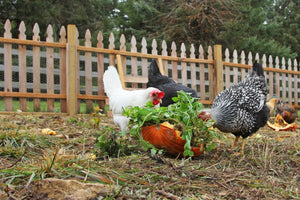
Animal Feed - It is often used as a fodder crop for farm animals. Chop comfrey leaves and feed them to your chickens.
Harvesting Tips
Wear gloves. The hairy leaves can be irritating to your skin.
Leave the crown intact for the plant to continue growing.
Divide crowns in the spring.
Avoid over-harvesting young plants.
Deadhead flowers to prevent comfrey from self-sowing.

How to Make Comfrey Tea Fertilizer
Many gardeners grow comfrey because it can be used to make a tea fertilizer. Heavy-feeding plants like tomatoes, peppers, squash, and flowering annuals benefit from comfrey tea because of its potassium content.
Comfrey tea will add trace minerals iron, calcium, and magnesium to your soil. It is also high in potassium, which is beneficial for flowers, fruits, and root crops.

Comfrey Tea Directions:
Add 5 parts water to one part comfrey leaves
Leave it for 3 to 6 weeks
Then add 10 parts water to 1 part comfrey tea
DO NOT DRINK!
This tea is for your plants.
It’s going to be stinky!
You can watch Patty make comfrey tea in this YouTube video.
Pros and Cons of Growing Comfrey
Comfrey isn’t for every garden. Consider your space and what your purpose is for growing comfrey.
Pros
Large amount of biomass for composting
Pulls up deep nutrients and makes an excellent green mulch
Makes liquid fertilizer
Can be used for poultices and external medicinal purposes
Cons
Aggressive grower
Can be hard to get rid of
Tips from our garden:
We grow comfrey in our perennial herb bed, which gets full sun. We don’t specifically grow comfrey for the biomass because we have plenty of green to add to our compost. But we do enjoy its role as a pollinator plant and for making comfrey tea. In our garden zone, comfrey dies back each winter and then comes back on its own in the spring.

Comfrey Growing FAQs
Does comfrey come back every year?
Is Comfrey invasive?
Comfrey is not considered an invasive species, but it is aggressive. It will self-sow and has a deep root system. Even pieces of roots can grow new plants.
How does comfrey spread?
Comfrey spreads when it self-seeds. It also develops a strong root system that can generate new growth if broken off.
Can comfrey be grown in pots?
Comfrey can be grown in containers. You will want a deep pot for the tap root. Growing comfrey in a container will definitely limit its growth.
Where should I plant comfrey?
Plant comfrey in a sunny location where it can stay put for several years.
How long does comfrey take to germinate?
Comfrey can germinate in as little as 14 to 21 days. It can also take much longer if it hasn’t been cold-stratified.

Comfrey is an easy-to-grow perennial herb that offers long-lasting benefits for the garden. From composting and chop-and-drop mulch to homemade fertilizer tea and pollinator support, this vigorous plant quickly earns its place in permaculture and organic growing spaces. With very little maintenance, comfrey produces abundant leafy growth year after year, giving gardeners a natural way to build healthier soil and support productive plants.


Popular Posts
-

How to Transplant Tomatoes (and How Deep to Plant Them for Stronger Roots)
-
Growing a Garden with Chickens in Mind: 3 Helpful Tips

Leave a comment