

How to Grow Tender Yu Choy Sum from Seed to Harvest
Yu Choy Sum (Brassica rapa var. parachinesis) is a savory Asian green that is easy to grow from seed. This leafy vegetable is best grown in cool weather. Follow these tips to ensure a delicious harvest of Yu Choy Sum stalks and greens in your garden.

Yu Choy Sum, also called Chinese flowering cabbage, is grown for its tender flowering stalk. Yu Choy Sum is usually cooked by blanching or stir-frying, and the whole plant, including leaves, stem, and flowers, is used. It has a taste similar to Bok Choy but is milder, and the leaves are more tender. This isn’t a vegetable you’ll easily find in any grocery store, so growing it in your own garden is the best way to try Yu Choy Sum.
How to Grow Yu Choy Sum from Seed
Yu Choy Sum is easy to start from seeds, both indoors and direct sown.
Although Choy Sum likes cool weather, it is not frost-tolerant. Plants will grow best in cooler temperatures between 60 and 80 degrees. In warm climates, it is often best to grow it in the fall or spring. In cooler climates, it can be grown in summer.
You can start seeds 4 to 6 weeks before your last frost date. Younger plants are more susceptible to frost. As with bok choy and other greens, you can cover the plants to protect them from frost in the fall.
Seedlings started indoors will need to be hardened off before transplanting. Wait until after the last frost date to transplant seedlings.
Tips for fail-proof Yu Choy Sum seed germination
For indoor seed starting, use a seed starting mix.
Plant seeds ¼” deep.
Keep the soil moist for the seeds to germinate.
Yu Choy Sum seeds germinate best in soil temperature between 68ºF and 80ºF.
Seeds should germinate in 10-14 days.
Direct Sowing Yu Choy Sum
Direct sow seeds outdoors after the danger of frost has passed. Plant seeds ¼ inch deep in rows or small blocks and keep the soil consistently moist until germination. Thin seedlings to 4–6 inches apart once they develop their first true leaves.

How to Grow Yu Choy Sum Asian Greens
Plants should be spaced 4 to 6 inches apart and grown in full sun. Yu Choy Sum grows best when grown in cool temperatures and is consistently watered.
Growing Yu Choy Sum in the fall can be the best option for a lot of growing areas, as the hot summers can cause it to bolt too soon. When you plant the seeds in the warm late summer, the days get cooler, and the plants will remain unstressed.
Succession planting is also an excellent way to space out your harvest.
Sun
Soil
Water
Consistent water will keep Yu Choy Sum plants healthy. They have shallow roots, so it’s important to keep the soil moist. This also helps the plant have more tender stems and leaves. You can mulch around the plants to help retain moisture and keep the soil cool.
Fertilizing
Prepare your soil before planting with compost. Additional fertilizer should not be necessary. We generally add a few inches of compost to our garden before planting. Four to six weeks later, we apply a balanced fertilizer.

Pests and Diseases
Like most leafy vegetables, Yu Choy Sum can attract aphids, cabbage worms, flea beetles, slugs, and snails. Floating row covers can help protect young plants from insect damage. Hand-pick cabbage worms and spray aphids with a strong stream of water if needed.
Good airflow and crop rotation help reduce fungal diseases and mildew problems.
You can see in this picture that a cabbage worm is blending in with the leaf.

Harvesting Yu Choy Sum
The leaves, stems, and flowers of Yu Choy Sum are all edible. Leaves can be harvested at any time; however, it's grown mainly for its flowering stem. Depending on the climate, Yu Choy Sum will be ready to harvest 40 to 60 days after planting.
The best time to harvest the stem is when the flower buds first start to open. At this point, the stalk is tender and crisp. If it goes too long, it becomes more woody and tough.
Harvest in the morning. You can cut the whole plant at ground level or just cut the stalk and allow side shoots to grow. In some climates, you will get another 2 or 3 harvests.

How to Use Yu Choy Sum
This healthy, delicious leafy green does not store well, so plan to harvest and use it the same day. You can place the stalks in a glass of water like cut flowers to keep them crisp.
Yu Choy Sum is commonly stir-fried, blanched, steamed, or added to soups and noodle dishes. The tender stems and flowers cook quickly and pair well with garlic, sesame oil, soy sauce, and ginger.

Yu Choy Sum FAQs
Can Yu Choy Sum be grown in containers?
Yes. Yu Choy Sum can be grown in containers. It has shallow roots and needs to be kept well-watered.
What does Yu Choy Sum taste like?
Is Yu Choy Sum the same as Bok Choy?
No. Although both are Asian greens in the Brassica family, Yu Choy Sum is grown mainly for its tender flowering stalks, while Bok Choy is grown for its thick leafy heads.
How long does Yu Choy Sum take to grow?
Yu Choy Sum is a fast-growing vegetable that is typically ready to harvest 40 to 60 days after planting, depending on weather conditions and the harvest stage you prefer.

Yu Choy Sum is a savory Asian green that is incredibly easy to grow from seed right in your garden. It’s best grown in cool temperatures, making it a great option for spring or fall planting. Since Yu Choy Sum is not readily available in grocery stores, growing it yourself is the best way to enjoy its tender flowering stalks, leaves, stems, and flowers, which offer a milder taste than Bok Choy. With a short harvest window of just 40 to 60 days after planting, you can quickly enjoy this healthy and delicious leafy green. Start your seeds today to experience a taste you won't find anywhere else!
If you like eating fresh Asian greens, try growing Bok Choy, Tatsoi, and Mustard Greens.


Popular Posts
-
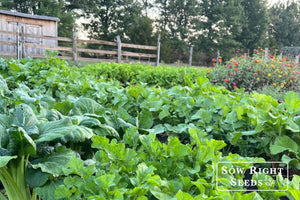
Organic Gardening Made Easy: 7 Steps to Grow Naturally
-
Passion Flower Vine: How to Start from Seed and Get Gorgeous Blooms
Leave a comment