

What Makes the Best Soil for Growing Perfect Tomatoes?
TomatoesIf you’ve ever struggled to grow tomato plants, it’s important to start by looking at the soil. We say this every time because it’s true–healthy soil is the foundation of a healthy garden. Although tomato plants can be very hardy and grow in a range of soils, there are definitely better soils for healthier plants and a bigger harvest.
We’ll help you create the best soil for tomatoes by covering topics such as soil pH and fertilization. Once you understand what makes the ideal soil for growing tomatoes, you’ll have your most delicious harvest yet.

Table of Contents
What is the best soil for growing tomatoes?
The ideal soil for growing tomatoes is fertile, loamy, and well-draining. It has a pH of 6.2 to 6.8. It should be rich in organic matter with the necessary nutrients for plant growth, retain moisture, and allow excess water to drain away easily.
Creating garden soil for tomatoes not only affects plant growth but can also affect the flavor and texture of the fruits. A well-known example is the San Marzano tomatoes grown in the Sarno Valley in Italy. They’re famous for their flavor and texture. Individual gardeners also swear by their special tomato garden soil and how it grows flavorful heirloom tomatoes.
Ideal Tomato Soil
pH of 6.2 - 6.8
Drains well but holds moisture
Rich in compost or organic matter
Contains balanced nutrients
Stays loose enough for deep root growth

How to Create the Best Tomato Soil
Before you start adding amendments and fertilizer, it’s important to understand your current soil.
Start with a soil test to know more about your garden soil.
A soil test will tell you the soil pH as well as the amount of nutrients and organic matter currently found in your soil. With this information, you will be able to make the correct adjustments with fertilizer, compost, and organic matter.
The state of your soil will determine what and how much fertilizer you need, and how often to water your tomato plants.

Ideal Soil pH for Tomatoes
Tomato soil should have a pH of 6.2 to 6.8. Leaning towards being more acidic. If your soil is outside of this range, you may notice issues with growth or flavor. Soil pH within this range allows tomato plants to absorb nutrients such as nitrogen, phosphorus, and potassium more efficiently.
You will want to check the soil pH every other year and make adjustments as needed.
If your soil is outside this range:
Add elemental sulfur to lower pH (more acidic)
Add lime to raise pH (more alkaline)
Changing the soil pH should be done slowly and carefully. Follow the package instructions when adding amendments.

Soil Temperature for Growing Tomatoes
If you’ve read our guide on starting tomato seeds, you know that seeds germinate best in warm soil, 70 to 80ºF. Once the seeds germinate, tomato plants still need warm soil. Especially when they’re developing new roots.
The soil temperature needs to be over 60ºF before transplanting. Plants will be stunted if it’s too cold. This is why you shouldn’t be in a hurry to get your tomatoes in the ground. Tomatoes that sit there and don’t seem to be growing could be a sign that the soil is too cool.
Soil in raised garden beds often heats up faster. To help warm up the soil in the spring, you can put down black plastic. This can also help solarize the soil and get rid of weeds.
(Clear plastic can allow the ground to get hotter than black plastic. But black plastic does limit weed growth.)
Tomatoes need warm soil to grow well.
Seed germination: 70–80°F
Transplanting: At least 60°F
Optimal growth: 65–85°F
If the soil is too cold, plants will stall and fail to establish strong roots.

Water and Drainage: The Balance Tomatoes Need
The best tomato soil will adequately hold moisture while also allowing for drainage.
Deep watering, where the water reaches down into the soil, is the best way to water tomato plants. While it’s okay for the top few inches of soil to dry out, the roots will grow down, seeking water and going deeper.
Consistently moist soil will ensure nutrients flow through the plant, helping prevent blossom-end rot. Consistent water also helps prevent cracking.

Soil Amendments to Improve Tomato Growth
Improving your soil will improve your tomato plants this season and for years to come.
There are all kinds of fertilizers and soil amendments aimed at tomato gardeners. It’s important to understand how these amendments work and what they can and can’t do to improve soil quality.
One common additive you’ll hear about is calcium. Calcium is a necessary nutrient for preventing blossom end rot. Most soils have enough calcium, so again, a soil test will let you know if your soil has a deficiency. Usually, tomato plants don’t take up calcium because of improper watering.
Nitrogen is another nutrient necessary for plant growth. However, too much nitrogen will give you lots of leaves and vine growth, but not increased tomato production. Applying the right fertilizer at the right time is crucial for tomato plants.
Another common additive you’ll see is Epsom salt. We investigated the claims for using Epsom salt and found few reasons to use it. If you notice signs of magnesium deficiency on your tomato leaves, magnesium may be a helpful additive. Unnecessary use can throw off the nutrient balance.
Cover crops can improve soil health for tomato plants. White clover will return nitrogen to the soil between tomato seasons.
Tomato companion plants can be grown at the same time. Borage is excellent at improving soil while repelling pests.
Amending Clay Soil for Tomatoes
Clay soil is tough for growing tomatoes. The dense texture means that it retains water too long and then dries out. So, although clay soil is usually more acidic and nutrient-dense, you’ll need to add amendments to improve it for growing tomatoes.
The best thing to add to clay soil is compost. Add a 2-3-inch layer of compost before transplanting your tomato seedlings to improve your garden soil.

Soil for Tomatoes in Containers
High-quality potting soil should be used for growing tomatoes in containers. Soil used for growing tomatoes in containers needs to have the same basic nutrients as in-ground soil. It’s even more important that the soil in containers be light and loamy so it drains well and doesn't become too compacted.
Your container should be large enough to accommodate deep roots. A 5-gallon container is considered the minimum size for tomato plants.
Also, the type of pot can affect how fast the soil dries out. Container-grown tomatoes need to be watered more often, which means you'll need to apply fertilizer more often.
You can use slow-release fertilizer or a water-soluble solution for container plants. Each has its pros and cons. Slow-release fertilizers can be mixed into the soil, and you don’t have to worry about remembering to fertilize often. Fertilizer mixed with water needs to be monitored more closely, depending on your watering schedule.

Tomato Soil FAQs
Does soil pH affect tomato flavor?
Yes. Soil pH affects how nutrients are absorbed into the plant. Changes in nitrogen, magnesium, and potassium will influence the balance of sugars and acids, which affects the flavor. Gardeners growing the same tomato variety may notice flavor differences when grown in different gardens.
Does soil temperature affect tomato plant growth?
Soil temperature affects how quickly tomato plants grow. Tomato plants in cool soil will not grow much while they wait for warmer temperatures.
How deep does the soil need to be for tomato plants?
Tomato plants put down deep roots. It is recommended to create ideal soil that’s at least 12 inches deep for growing tomatoes, though deeper soil is better.

Give your heirlooms the best tomato soil
Tomato plants can be very resilient. They want to grow, and they’ve been known to sprout up and grow in places you weren’t expecting. But they perform best when the soil is created for their specific growing conditions.
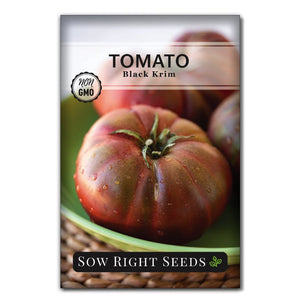
When you’re growing heirloom varieties, the best tomato soil matters even more. Heirloom tomatoes are known for their unique colors and flavors. These qualities are enhanced when they have all the nutrients and growing conditions they need.
Don't ruin their flavor and texture with subpar soil! With these tips, it's easy to create the best soil for tomatoes.
Give your tomatoes the foundation they need, and they’ll reward you with an amazing harvest.


Leave a comment