

How to Grow Tomatoes: Seed to Harvest Guide for Home Gardeners
TomatoesFew garden vegetables inspire as much excitement as a ripe, homegrown tomato. In fact, swapping heirloom tomato seeds with other gardeners eventually inspired Daryl and Patty to create Sow Right Seeds.

Table of Contents
How to Grow Tomatoes Successfully
Starting tomatoes from seed gives you access to hundreds of heirloom varieties that you’ll never find at a garden center. With a little planning and care, tomato plants can produce abundant harvests all summer long.
If you’re wondering how to grow tomatoes from seed in your own garden, this guide will walk you through the entire process. We’ll cover every stage of growing tomatoes successfully—from choosing the right varieties and starting seeds indoors to supporting plants, fertilizing, and harvesting tomatoes at peak flavor.
Along the way, you’ll find helpful links to deeper guides in the Planter’s Library so you can learn every detail about growing healthy, productive tomato plants.
Quick Start Guide to Growing Tomatoes
Choose the right tomato varieties.
Start seeds indoors 6–8 weeks before your last expected frost.
Transplant seedlings after danger of frost and when the soil and outdoor temperatures are warm enough.
Provide support with cages or stakes.
Water consistently.
Fertilize regularly.
Harvest tomatoes at peak ripeness.
Choosing the Best Tomato Varieties to Grow
Successful tomato growing starts with choosing the right variety for your garden and harvest objectives.
Before planting, it helps to understand a few key differences between tomato types.
Determinate vs Indeterminate Tomatoes
Tomatoes are typically divided into two main growth habits: determinate and indeterminate.
Determinate tomatoes grow to a fixed height and produce most of their fruit within a short period. These compact plants are excellent for containers and gardeners who want a concentrated harvest for canning.
Indeterminate tomatoes continue growing and producing fruit throughout the season. These vigorous plants often require staking or cages but reward gardeners with a steady harvest over many weeks.
For a deeper explanation, see our guide on Determinate vs Indeterminate Tomatoes.

How to Choose the Best Tomatoes for Your Garden
Different tomato varieties perform better depending on your climate, garden space, and cooking goals. Some varieties produce large slicing tomatoes perfect for sandwiches, while others are ideal for sauces, salads, or snacking.
If you’re unsure which varieties to plant, our guide on How to Choose Which Tomatoes to Grow can help you select the best options for your garden.
Small bush varieties like Tiny Tim are perfect for small spaces and container gardens.
Understanding Tomato Flavor by Color
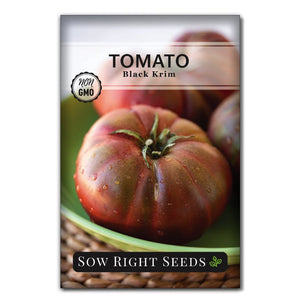
Tomatoes come in a rainbow of colors—red, yellow, orange, green, purple, and even striped varieties. These colors aren’t just beautiful; they often signal differences in flavor and sweetness.
Learn more about what these colors mean in our article A Quick Guide to Tomato Flavors by Color.

Best Tomatoes for Canning and Sauce
Some tomatoes are especially prized for preserving because they have thick flesh and fewer seeds. Paste tomatoes, such as Roma-type varieties, are often preferred for making sauce.
Our guide to Best Tomatoes for Canning and Sauce highlights varieties that produce rich, flavorful harvests perfect for preserving.
Growing Cherry Tomatoes
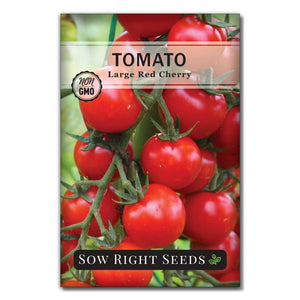
Cherry tomatoes are one of the easiest and most productive tomato types for home gardens. Their small fruits ripen quickly and are packed with sweetness. If you’ve never grown tomatoes before, you might want to start with a cherry tomato for a quick gardening win.
If you love snacking on tomatoes, see our guide on How to Grow and Use Cherry Tomatoes.
Why Tomatoes Are the Most Popular Garden Vegetable
We often meet gardeners whose interest began with a desire to grow their own tomatoes. And even though tomatoes aren’t on our list of 10 easiest vegetables to grow from seed, they’re still a garden favorite for us and many others.
Growing tomatoes from seed is popular because it offers a wider variety of colors and flavors. And once you’ve tried some of those unique heirloom tomatoes, you never want to go back to anything less.
Tomatoes are generally vigorous growers and very prolific. They’re also an excellent fruit for eating fresh and preserving with a range of dishes and recipes.
Start growing your own delicious tomatoes with heirloom seeds from Sow Right Seeds.
Starting Tomato Seeds Indoors
We’re big fans of starting tomato seeds indoors. After decades of gardening, we’ve found that the extra warmth and care we can give tomato seedlings indoors ensures success.
Starting tomatoes indoors allows gardeners in all growing zones to nurture strong seedlings that are ready for transplanting once the weather is warm enough. It also opens the door to heirloom varieties that may not be available as nursery plants.
When to Start Tomato Seeds Indoors
Tomato seeds are typically started indoors 6–8 weeks before the last spring frost. However, this date differs depending on when you actually transplant the seedlings.
Some gardeners prefer to transplant tomato seedlings when they are still small enough that they haven’t outgrown their indoor space. Others want to get large plants and don’t mind potting up a few times.
The main consideration is how warm it will be when you transplant tomatoes. Remember that these are heat-loving plants. They don’t want nighttime temperatures to fall below 50ºF, and they thrive when daytime temperatures are 70ºF or above. So, along with checking your last frost date, you also need to consider what date you’ll be able to safely transplant outdoors. These dates and the size you want your tomato plants to be will determine when to start your seeds indoors.

Tomato Seed Germination Tips
Tomato seeds are easily germinated when they have enough heat, light, and water. Seeds planted in moist soil at 70-80ºF usually germinate within 5–10 days.
To start tomato seeds successfully:
• Use clean seed starting trays or pots
• Fill with a quality seed starting mix
• Plant seeds about ¼ inch deep
• Keep soil consistently moist
• Provide warmth (70-80ºF) and bright light
For additional step-by-step instructions, see our full guide:
The Complete Guide to Starting Seeds Indoors

Step-by-Step Tomato Seed Starting
1 - Seed Starting Mix. Use seed starting mix to fill cell trays or pots. Tomato seeds are small, so you want to make sure that this seed-starting medium is fine-grained so it won’t impede germination.
2- Seeds. Plant 2 to 3 tomato seeds in each starting cell or pot.
3 - Heat. Place a heat mat under your trays or pots to keep the soil warm. Tomatoes germinate best when soil temperatures are between 70°F and 80°F. A heat mat can dramatically improve germination rates in cooler homes.
4 - Light. Place grow lights a few inches above the seeds and keep them on for 14 to 16 hours a day. Keep the lights close enough to prevent leggy seedlings. Seedlings that have to stretch for the light become fragile and struggle to grow.
5 - Water. Keep the soil moist with a spray bottle and use a humidity dome to keep the soil and seeds from drying out. Once the seedlings start sprouting, you can bottom water, which will help prevent damping off. You want to keep the soil moist but not waterlogged. More like a well-wrung sponge.
The days between sprouting and true leaf development are when many beginners start to panic. And for good reason. It’s understandable to start wondering what to do next because this little sprout doesn’t look anything like a healthy tomato plant you may have seen at a garden store.
Be patient and give these seedlings lots of light and sufficient water.
After a few days, the first leaves, also called cotyledons, will be joined by true leaves. The true leaves will look like the leaves you expect to see on tomato plants.
Once you have two sets of true leaves, you can start giving your tomato seedlings a diluted balanced fertilizer. This should be diluted in water and used when watering. At this stage, they can be burned by too much fertilizer.

Transplanting Tomato Seedlings Outdoors
After the danger of frost has passed, tomato seedlings can be transplanted outdoors. However, you also want to wait until temperatures are consistently warm. We’ve had plenty of experiences with those false spring days when you think maybe it’s okay to put plants outside, only to be tricked by a devastating storm.
Wait to transplant until the days are 70ºF and above and the nights are consistently 50ºF or above. Tomato plants will struggle to grow in cooler temperatures.
Potting Up
If your tomato plant is starting to outgrow its container, it’s time to pot it up. It’s pretty common for gardeners to pot up tomato plants at least once. We take ours from the seed trays and put them into larger cups. Sometimes we have to pot up again if it's still not warm enough for outdoor transplanting.
When potting up a tomato seedling, remove the cotyledons and bury the stem up to the first true leaves. All along the newly buried stem, the plant will grow new roots. This develops a stronger root system before transplanting. There have been times when we potted up several times before transplanting outdoors. If you have the time and the space, tomatoes can handle it. But you can also transplant small seedlings.

Hardening Off Tomato Seedlings
Before planting outdoors, it is critical that tomato seedlings are hardened off by gradually exposing them to outdoor conditions over the course of about a week. This gradual exposure to outside sun and wind will build up the plant's tolerance for the much harsher conditions of the outdoor environment.
Follow our guide with step-by-step tips on hardening off plants.
Planting Depth and Spacing
Plant Deeply
Tomato plants benefit from being planted deeply. When transplanting your tomato seedlings, you can bury the stem up to the first branches. It won’t take long for the stem to start developing roots all along the part that is underground. This will create a strong root system for drawing up water and nutrients. A plant with a strong root system will be more resilient and produce an abundance of fruit.
You will want to remove any flowers before transplanting, so the plant’s energy is spent on root development at this stage.
Space Appropriately
Tomato plants need room to grow both the roots and the branches. Usually, you need to give each plant 3 feet of space. However, adjustments can be made depending on your garden. You can plant tomatoes closer together if you are pruning them or growing them in containers.

Planting Tomatoes in Containers
Tomatoes can grow well in containers. Small varieties like Tiny Tim are perfect for small patio containers. Larger tomato varieties will need at least a five-gallon container. Make sure your container has drainage holes and is deep enough for root development.
Containers can be everything from wooden barrels to fabric grow bags. Choosing the right container for your growing environment is key.
Tomatoes in containers will need to be monitored for water and fertilizer, as containers can dry out quickly. Since the roots are confined to a limited space, plants will benefit from more frequent fertilizer applications.

Supporting Tomato Plants
Why Tomatoes Need Support
If you’ve spent time at the garden center, you’ve seen tomato cages and trellises. You may wonder if you really need the extra expense. As we covered earlier, tomatoes are vining and bush varieties. But either way, they need something to hold them up; otherwise, they will grow on the ground, the branches will break, and the tomatoes will spoil.
Tomato Cages vs Staking vs Trellising
You will want to put in your tomato trellis or cages at the time of transplanting. This keeps you from damaging roots when you place stakes into the ground. Also, it’s much easier to do when the plants are small.
There are several ways to trellis or support your tomato plants. Each method has its advantages and disadvantages.
A popular method is called the Florida weave. This works for long rows of tomato plants. For gardeners growing in a greenhouse, a vertical string method with regular pruning is common.
We’ve tried many methods over the years, and our favorite is using our DIY tomato cages.
See our step-by-step directions to make the Best Heavy Duty DIY Tomato Cage.

Pruning and Training Tomato Plants
Pruning helps improve airflow, direct energy toward fruit production, and keep plants manageable.
Not all tomato gardeners prune their plants. Just as there are many varieties of tomatoes, there are many ways to grow them.
Many gardeners remove “suckers,” the small shoots that grow between the main stem and branches. Others do more pruning to keep the plant to one main stem they train up a trellis. The technique you use will be the one that works best for your situation.
Proper pruning can help prevent overcrowding and reduce disease problems.
For detailed techniques and timing, see our complete guide on How to Prune Tomato Plants.
Fertilizing Tomatoes for Maximum Production
Tomatoes are heavy feeders that benefit from nutrient-rich soil. Before planting, we work compost or aged manure into the soil. Then, during the growing season, we add a balanced fertilizer. The addition of fertilizer throughout the growing season can help support strong growth and fruit production.
When fertilizing tomatoes, you want to make sure you’re adding the right nutrients at the right time. Nitrogen, Phosphorus, and Potassium are the three main macronutrients in fertilizer. They’re each important for healthy plant growth. But don’t go overboard with adding fertilizer. More isn’t always better. Too much nitrogen can lead to lush leaves but fewer tomatoes.
Secondary nutrients are calcium, magnesium, and sulfur. When you have healthy soil, you’ll also have adequate amounts of these nutrients as well. Testing your soil before planting can give you the important information you need before adding fertilizer.
Use a very diluted fertilizer when the tomatoes are seedlings. As the plants grow, you will need to adjust your fertilizer applications for flowering and fruiting.
For a complete feeding schedule, visit our Complete Guide to Fertilizing Tomatoes.

Common Tomato Problems and How to Fix Them
Why Tomato Leaves Turn Yellow
Yellow tomato leaves can be a sign of several issues. Possible causes include nutrient deficiencies, inconsistent watering, or disease.
When you first notice yellow leaves, look more closely to identify the underlying cause. You’ll want to prune off any yellow leaves to keep diseases from spreading.
This article can help diagnose the cause of yellow tomato leaves.
Tomato Blight
Tomato blight can spread quickly. Early blight will first appear as dark spots on foliage near the ground. Transplanting too early in cold soil can be the cause.
Late blight shows up as brown lesions on leaves, stems, and fruits. The spores are carried in the wind and grow quickly in warm, humid conditions.
For more information on the different types of blight that affect tomatoes, visit our Blight Prevention and Control page.
Tomato Hornworms
The most common pest gardeners hate to see on tomatoes is the tomato hornworm. These green worms latch onto a stem and eat everything in sight. They can do a terrifying amount of damage overnight.
One of the best ways to get rid of them is to hand-pick them off the plants. They can be hard to see because they blend in with the foliage so well. You can use a blue light to find them at night.
Look for white cocoons on the hornworm's back. These are parasitic wasp cocoons, and you can leave those worms in place because the wasps help control future pests.

Companion Plants for Tomatoes
Companion planting is a natural gardening technique that pairs plants together for mutual benefit. Some companions help repel pests, while others improve soil health or attract beneficial insects.
Basil, borage, and marigolds are some of our favorite plants to grow near tomatoes.
Learn which plants grow best alongside tomatoes in our guide to Tomato Companion Plants.
When to Harvest Tomatoes for Peak Flavor
Knowing when to harvest tomatoes can make a big difference in flavor and storage life.
Tomatoes begin ripening when they reach the breaker stage, the point when the fruit first starts to change color.
At this stage, tomatoes can safely finish ripening indoors while still developing excellent flavor.
Learn how to identify this stage in our guide When to Pick Tomatoes: Breaker Stage.
Every palate is different, and some tomato aficionados insist on letting the tomato fully ripen on the vine. You may want to experiment with your harvest to see which stage results in the best flavor.
And then there are those who love harvesting green tomatoes and frying them up into a delicious dish.

What to Do With Your Tomato Harvest
We love picking vine-ripened tomatoes and eating them the same day. That's the ultimate reward for growing heirloom tomatoes. Once tomato plants begin producing, gardeners often find themselves with more tomatoes than they expected.
Fortunately, tomatoes are one of the most versatile ingredients in the kitchen.
Homemade Tomato Sauce
Fresh tomatoes can be transformed into delicious homemade sauce for pasta, pizza, and soups.
Our Fresh Tomato Sauce Recipe for Canning shows how to preserve garden tomatoes so you can enjoy them long after the growing season ends.
Fresh Garden Salsa
Garden tomatoes also make incredible salsa packed with bright flavor.
Try this Easy Salsa Recipe with Fresh Garden Tomatoes for a quick way to enjoy your harvest.

Frequently Asked Questions About Growing Tomatoes
How long do tomatoes take to grow from seed?
Most tomato varieties take 60–85 days from transplanting to produce ripe fruit.
How often should tomatoes be watered?
Tomatoes prefer deep, consistent watering rather than frequent shallow watering.
Do cherry tomatoes need pruning?
Cherry tomatoes can be pruned, but many gardeners allow them to grow naturally because they are vigorous producers.
Why are my tomato plants flowering but not producing fruit?
The most common cause of plants flowering without producing fruit is that the temperature is too cold or too warm.
Why are my tomatoes cracking?
Tomatoes will crack when they get a sudden increase in water. Tomatoes prefer to have consistent watering. Some varieties are more prone to cracking than others.

Tomato Growing Timeline
Stage |
Timing |
Start seeds indoors |
6–8 weeks before last frost |
Transplant outdoors |
After last frost |
First flowers |
4–6 weeks after transplant |
First harvest |
60–85 days after transplant |
Start Your Tomato Garden
Heirloom tomatoes have always been the star of our garden. We love growing all kinds of varieties from sweet cherry tomatoes for snacking to rich paste tomatoes for sauce. Tomatoes are one of the most rewarding crops you can grow.
The best way to become a master tomato gardener is to pick your favorite seeds and start growing. Use this guide and see how easy it is to grow your own amazing tomatoes.
👉 Shop our Heirloom Tomato Seed Collection.


Leave a comment