

How to Grow Roselle: From Seed to Edible Harvest
Roselle (Hibiscus sabdariffa) is a beautiful and edible flowering plant. Learn how to grow this warm-weather plant from seed to a delicious harvest.

How to Grow Roselle From Seed
Roselle is a member of the mallow family, and you’ll notice that it has flowers similar to those of okra and marshmallow plants that are in the same family.
This annual flowering plant is easy to grow from seed. Give it sufficient heat and light, and you’ll have beautiful flowers in early fall.
Roselle is a light-sensitive, short-day plant which means it begins flowering as the days get shorter and the nights get longer. This is why you may see lots of leafy growth in the summer without any flowers.
For us here in the central US, we usually notice flowers forming around the first week in September. Then it really starts producing flowers in the early part of October. If your plant hasn’t started blooming by midsummer, don’t give up on it!
The creamy colored flowers only last a day, but they are stunning. After the flowers fade, the red calyx around the flower is the edible part of the plant. It has a tart, delicious cranberry flavor.
Roselle needs a long, warm growing season to produce its edible calyces. Starting seeds indoors gives plants a head start, especially in areas with shorter summers. In cooler climates, you may enjoy plenty of leafy growth and beautiful flowers, but have a shorter window for harvesting calyces before the first frost.

Tips for successful roselle seed germination
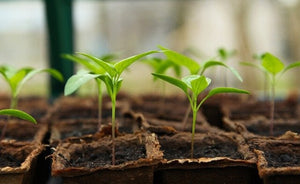
You can sow roselle seeds directly outdoors after the last spring frost. Wait until the soil is warm. Or you can get a jump on your growing season and plant seeds indoors 6 to 8 weeks before the expected last frost date.
Plant roselle seeds 1/4 ” to 1/2 ” deep.
Keep seeds moist for germination.
Warm soil: 70- 80°F. Use a heat mat indoors.
Have a light close to seeds as soon as they germinate (7 to 14 days).

Once seedlings have several sets of true leaves, begin hardening them off by placing them outdoors in a sheltered location for a few hours each day. Gradually increase their time outside over 7-10 days. Wait until the soil is warm and nighttime temperatures are above 50ºF before transplanting.
This transition period is often where gardeners get frustrated. Make sure it is warm enough for the plants to be outdoors. Waiting until the soil is warm and all danger of frost has passed will help prevent transplant shock.

How to Care for Roselle Plants
Roselle loves warm, humid weather and grows best when temperatures are consistently between 70 and 90ºF. It is very sensitive to frost and cold temperatures. Wait until the soil has warmed and nightime temperatures are consistently above 50ºF before transplanting outdoors. Plan to harvest your calyces before temperatures drop below 40ºF.
Plan on 100 to 120 days for roselle plants to reach maturity. While day length is what triggers blooming, the bigger your plant is when daylight starts declining, the more blooms it will have.
Space plants about 3 feet apart to give them room to spread. They can grow 3 to 8 feet tall and spread 3 to 5 feet wide.

Sunlight Requirements for Roselle
Grow roselle in full sun for the best growth and blooms. When the daylight hours shorten, this triggers the plant to start blooming. Until then, you want the plants to grow as big as possible, and they grow best in full sun.
Best Soil for Growing Roselle
How to Water Roselle Plants
Fertilizing Roselle Plants
Roselle generally grows well in moderately fertile soil and doesn’t require heavy fertilizing. If your soil is poor, add compost before planting. You can also use a balanced fertilizer about a month after planting. Avoid over-fertilizing.

Pruning and Supporting Roselle Plants
Roselle can grow into a large bushy plant. Pinching or pruning the growing tips when the plants are young can encourage branching and create more places for the flowers to develop.
As the plant begins producing calyces, the additional weight can cause branches to bend or flop over. If you are growing roselle individually or in a landscape, consider using plant supports to keep the branches upright.

Solutions for Pests and Diseases
The pests and diseases that will affect roselle plants will be highly specific to your location.
For us in the Midwest, Japanese beetles ate a lot of the leaves. Once the season for these pests was over, the roselle plants were able to recover. Next year we will try to protect them with row covers.
Aphids can overtake tender new growth. It’s best to use natural methods to get rid of aphids. First, try removing them with a strong spray of water. When we grow something edible, we avoid toxic chemicals.
Fusarium wilt and root-knot nematodes are soil issues that can affect roselle plants. If they are a problem, you can rotate your growing location.
If you find that rabbits are eating the leaves, use chicken wire cages and other methods to keep them out.

When and How to Harvest Roselle
Roselle leaves are edible and have a pleasantly tart flavor. You can harvest young, tender leaves and use them raw or cooked like other leafy greens. You can start harvesting leaves when the plant is at least 18 inches tall. Harvest only a few leaves at a time so the plant has plenty of foliage left to grow.
Roselle is day-length sensitive like onions and usually starts blooming in September and continues into November if the temperature stays warm enough. (Above 40ºF)
The roselle blossoms open up and last for a day. Once the flower has faded and dropped off, the red calyx will continue growing around the developing seed pod. These flower calyces are the most desirable part of the plant for harvesting. For the best ripeness, give these calyces time to become plump, fleshy and bright red.
Harvest the calyces before they turn brown or become fibrous. They should still be shiny and plump, and haven’t started to dry out. Depending on the growing conditions, this can be about 7 to 10 days. If the flower doesn’t fall out, just pull it out and take the calyces off.
Use garden scissors to snip the buds off without damaging the stem. You can also snip off the end of the bud to more easily separate the seed pod from the calyx. Other methods include using a spoon to scoop out the seed pod or a reusable straw to poke up and push out the seed pod.
It is best to separate the seed pods from the calyx and process them separately. The seed pods can be used to make pectin in jam making.
The calyx is used in teas and jams. It adds a tart flavor and beautiful color. We think it tastes like cranberry with a hint of strawberry.
As you harvest the spent flowers, it will encourage the plant to keep growing more flowers.
Fresh roselle calyces can be stored in the refrigerator for about a week. If you have more than you can use fresh, you can freeze or dry them for later.
To save seeds, leave a few pods on the plant. Wait until the seeds are completely dry, and the seed pod will pop open. These completely mature seeds will be a dark brown and are viable for planting. Store them in a cool, dry place until you’re ready to plant them.

Frequently Asked Questions About Growing Roselle
When can you plant roselle seeds?
When does roselle bloom?
How long does it take roselle to produce calyces?
Can roselle survive frost?
Why is my roselle plant not flowering?
Can you grow roselle in the Midwest?

Growing Roselle: Our Garden Experience
At Sow Right Seeds, we started Roselle seeds indoors so the seedlings were ready to transplant after the soil warmed up.
June: Our seedlings were starting to thrive outdoors.
July: The plants had considerable damage from Japanese beetles. We pruned the damaged plants and waited for new growth.
August: We still weren’t seeing any blossoms, but the plants were recovering.
September: We began seeing flower buds. By the last week of September the flowers were starting to bloom.
October: We had enough calyces to start harvesting and make homemade jam.
One thing we learned is that roselle plants can become top-heavy once they begin producing calyces. Our plants held themselves upright for most of the growing season, but eventually they started flopping over into the walkways between our garden beds. If you’re growing just one or two plants, a tomato cage or peony support would be helpful.
We love the tart, cranberry-like flavor of roselle jam. It’s worth growing this beautiful plant just to enjoy a homemade harvest in the fall!

Roselle is a beautiful, edible plant that brings something special to the fall garden. Start seeds indoors to give plants a head start, provide plenty of sunshine and warm temperatures, and be patient as the shorter days trigger flowering. Before long, you’ll be harvesting bright red calyces to make delicious homemade tea, jam, and other treats. You’ll look forward to this unique harvest every year.


Popular Posts
-

Best Seeds to Start in February for a Successful Spring Garden
-
5 Great Reasons to Start Seedlings Indoors

Leave a comment