

Pretty Delicious! 20+ Edible Flowers to Grow from Seed in Your Garden
Flower farmingDid you know many of your favorite flowers are also good to eat? From peppery nasturtiums in salads to delicate pansies on cakes, edible flowers bring color, flavor, and texture.
This guide will show you the best edible flowers to grow from seed, how to grow them successfully, and how to use them in your kitchen.

Edible Flowers You Can Grow From Seed
Cornflower (Bachelor Buttons)

Best Edible Flowers to Grow
Growing edible flowers is one of the easiest ways to transform your garden into something both beautiful and functional. Here's a highlight of a few of our favorite edible flowers to grow.
Nasturtium


Nasturtiums add a peppery bite and complement meat dishes and salads. They also look beautiful on a cake. The petals and leaves are edible and can be used to make a delicious salad.
Growing Tip: Thrives in poor soil.
Borage


Borage has a mild cucumber taste. Its flavor makes it a beautiful addition to drinks and ice cubes.
Growing tip: It self-seeds easily and attracts pollinators. Excellent companion plant for tomatoes.
Lavender


The floral flavor of lavender offsets the sweetness of cookies and cakes. Lavender shortbread is scrumptious. The flowers can also be used in teas for another layer of flavor.
Growing Tip: Lavender seeds need cold stratification to increase germination.
Pansies/Violas


With their array of colors, pansies and violas are a popular choice for embellishing desserts and other dishes. They have a mild, sweet, slightly minty, lettuce-like flavor.
Growing Tip: Pansies are cool-weather flowers that can be grown in early spring and late autumn.
Chives


Chives are savory and perfect for making herbed butter. They can be used fresh or dry in meat and vegetable dishes.
Growing Tip: These are perennials and can be harvested year-round.
German Chamomile


Chamomile blooms all summer and can be used fresh or dry. This flower has a sweet, almost apple flavor and is perfect for tea.
Growing Tip: Once it is established in your garden, chamomile will self-sow and return year after year.
Dandelion


Dandelions are considered a very healthy plant. Every part is edible, from the flowers to the leaves and even the roots. Younger leaves are more tender and less bitter.
Growing Tip: Dandelions can grow anywhere, but cultivating from seed lets you control where and how to harvest them.

Growing and Caring for Edible Flowers
While it's tempting to forage for flowers, if you are going to eat them, it's better to grow your own. That way, you can ensure it's the correct flower and it hasn't been treated with harmful chemicals.
- Full sun is best for most flowers.
- Water consistently.
- Avoid extra nitrogen for more flower growth.
Flowers for eating should be grown in soil without toxic chemicals. Just as you would care about the soil of your vegetable garden and the pesticides you use, edible flowers should receive the same consideration.
It’s important to never eat a flower without checking to ensure it’s edible and non-toxic.
Tips for Fail-Proof Edible Flower Seed Germination
- Start seeds indoors 4–6 weeks before your last frost (great for pansies, calendula, chamomile)
- Direct sow fast growers like nasturtium and borage after frost
- Use a fine seed-starting mix for small seeds
- Keep soil consistently moist—but not soggy
- Provide bright light to prevent leggy seedlings
Harvesting Edible Herb Blossoms
Some of the most commonly eaten flowers are those that grow on herbs, of course. Often, they’re used in an infusion or herbal tea.
When using flowers from herbs, it is worth knowing that flowers can taste different from the rest of the plant.
- Chamomile flowers are probably the most well-known edible flowers. Usually, they are consumed as a tea.
- Echinacea, mint, and bergamot are also all herb flowers that make delightful brews.
- Lovage has a celery flavor.
- Hyssop flowers have a minty flavor that is milder than the leaves.
- Rosemary and dill flowers are just as edible as their leaves and can be added to a dish for a gorgeous garnish.
- Don't give up on your cilantro when it starts to flower. Use these as a touch of beauty.
- Oregano flowers can also be used for flavor and looks.

Harvesting and Preparing Edible Flowers
Every flower has its own flavor. Some are peppery, some are sweet, and some have a distinctly floral taste. Just like any other culinary ingredient, you will want to choose the taste that complements the dish.
But even as a garnish that you don't intend anyone to eat, if it's on the plate, it should be edible.
And although a flower may be edible, that doesn't always mean it tastes good. Some flowers, while they won't make you sick, aren't palatable.
Many flowers that we think of as ornamental are also edible.
- It's important to grow your own flowers for eating. Flowers from florists and garden shops have been grown with chemicals that are not for human consumption.
- Pick flowers in the morning before they wilt. Some flowers are sturdier than others.
- For most flowers, you will only want to use the petals. Remove the stamens and styles, as these can affect the taste.
- Smell the flowers and taste the petals to see what flavor will work best with your dish. Some are peppery, some grassy, and some are minty.
Sugared pansies and rose petals are stylish and are beautiful edible flowers for cake decorations.
Rose petals are the main ingredient in rosewater, which is a common flavoring in Mediterranean and Indian cuisine.
Hibiscus is another common tea beverage, full of antioxidants and bursting with tangy flavor!
Calendula is a bright annual flower with a long history of medicinal use. Not to be confused with marigolds, heirloom calendula is edible.
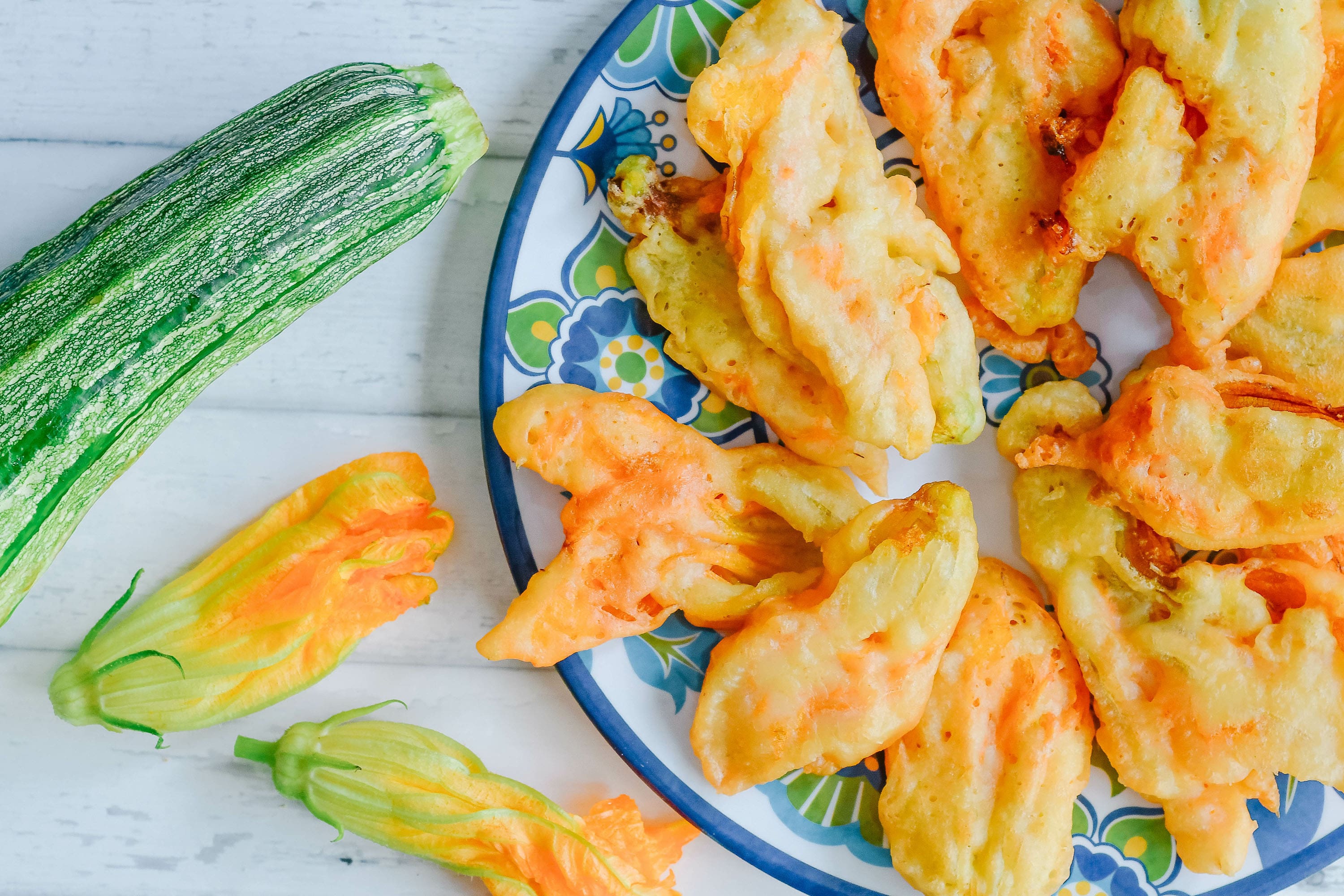
Edible Vegetable Blooms
You don't have to wait for your vegetables to mature before you start eating. Some of the most popular vegetable flowers to eat are squash and zucchini. Scarlet runner beans have edible flowers.
For other vegetable flowers, you have to wait. Of course, broccoli is a vegetable flower that we are used to eating, but have you tried arugula flowers?
Garlic blossoms are purple and have a milder garlic flavor that adds a surprising bit of variety to your meal.
Squash and zucchini blossoms are often battered, stuffed, and fried. Try to make sure you’re only picking the male blooms to eat, as the female flowers will develop into squash.
Edible Weeds & Native Plants
There are a variety of edible common weeds and native plants. Skilled foragers who know what to look for can gather a whole salad over the course of a hike.
Dandelions have an amazing nutritional profile from flower to root. Dandelion fritters are a tasty, inexpensive treat to add to your meal.
Violets, which are considered a weed in some places, make a great salad. Wisteria adds a lovely bit of color to a salad. Honeysuckle makes a deliciously sweet garnish.
Be careful when foraging. Don't pick in areas that have been exposed to pesticides or toxic chemicals. Growing your own plants to forage is always the safest option.
Edible Flowers FAQ
Are all flowers edible?
No. Some flowers are toxic. Always verify the flower and if it is safe to eat.
Can you eat flowers from a florist?
No. These are typically treated with chemicals and are unsafe to eat.
What edible flowers taste best?
Nasturtium, borage, and chamomile are among the most popular for flavor.
Are edible flowers safe for pets?
Many flowers and herbs are toxic to pets. However, after a curious nibble, they usually leave them alone.
See which edible flowers Patty is growing.
Grow Edible Flowers!
Eating flowers is a delicious and fun way to bring your garden to your table. Even if you aren't going to munch on a whole calendula flower, knowing that it is edible means you can safely use it to decorate a cake or as a beautiful garnish.
And growing your own edible flowers means you know they don't have harmful chemicals.
Start growing bright, edible flowers with heirloom seeds from Sow Right Seeds and add a variety of flavors to your culinary creations.


What do you suggest for chicken forage? I have 20 chickens and slowly adding chicks.
Leave a comment